Introduction
Rattan has long been cherished in interior and architectural design due to its lightweight, flexible, and eco-friendly nature. As natural-inspired design trends grow, both natural and synthetic rattan are seeing a resurgence. This article explores the various types of rattan ideal for architecture and interior work, highlighting their strengths and uses.
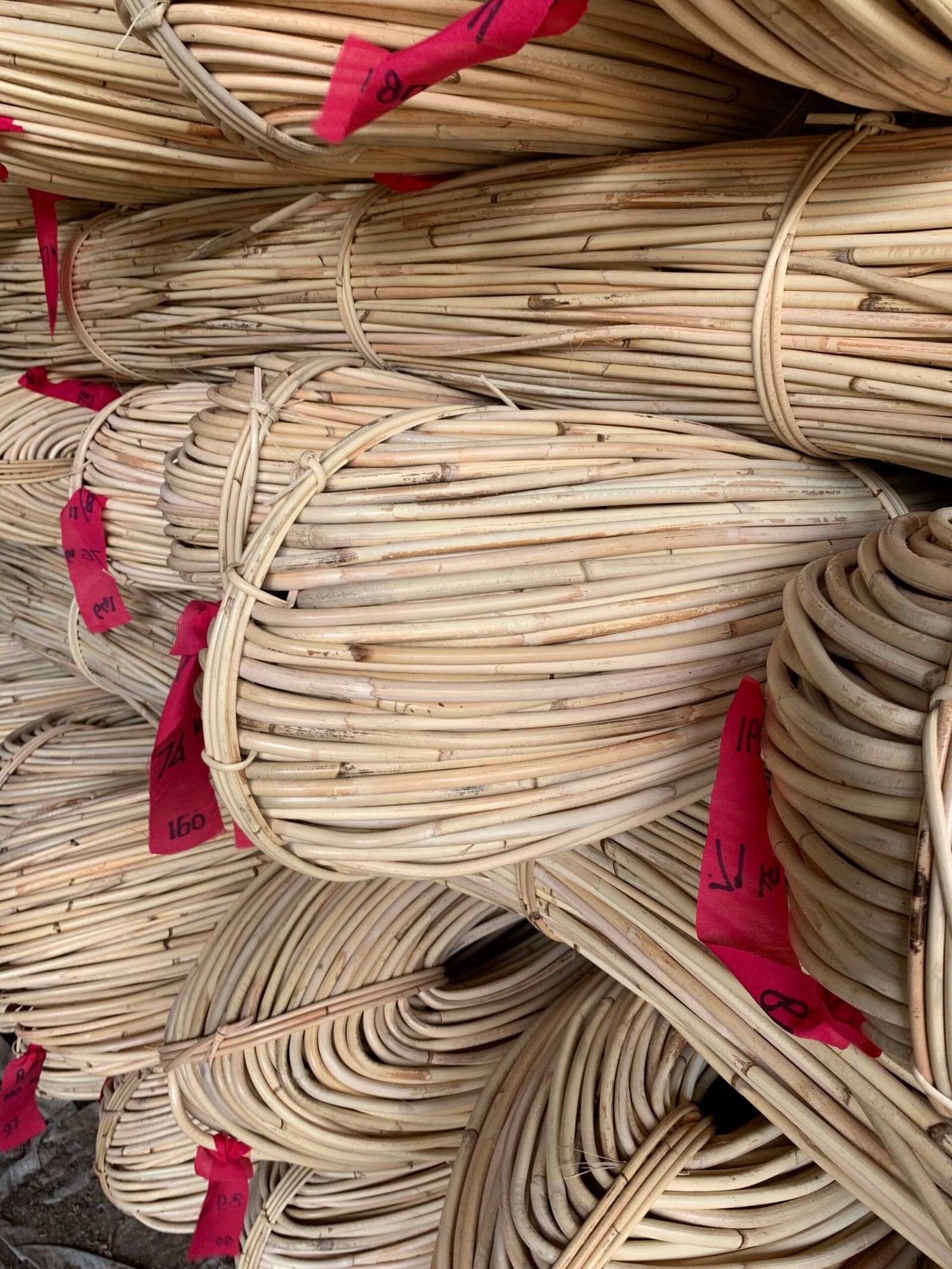
- Natural Rattan
Harvested from palm plants in Southeast Asia, natural rattan comes in various types:
- Manau Rattan – Thick, strong, and smooth, perfect for structural furniture like chairs and tables.
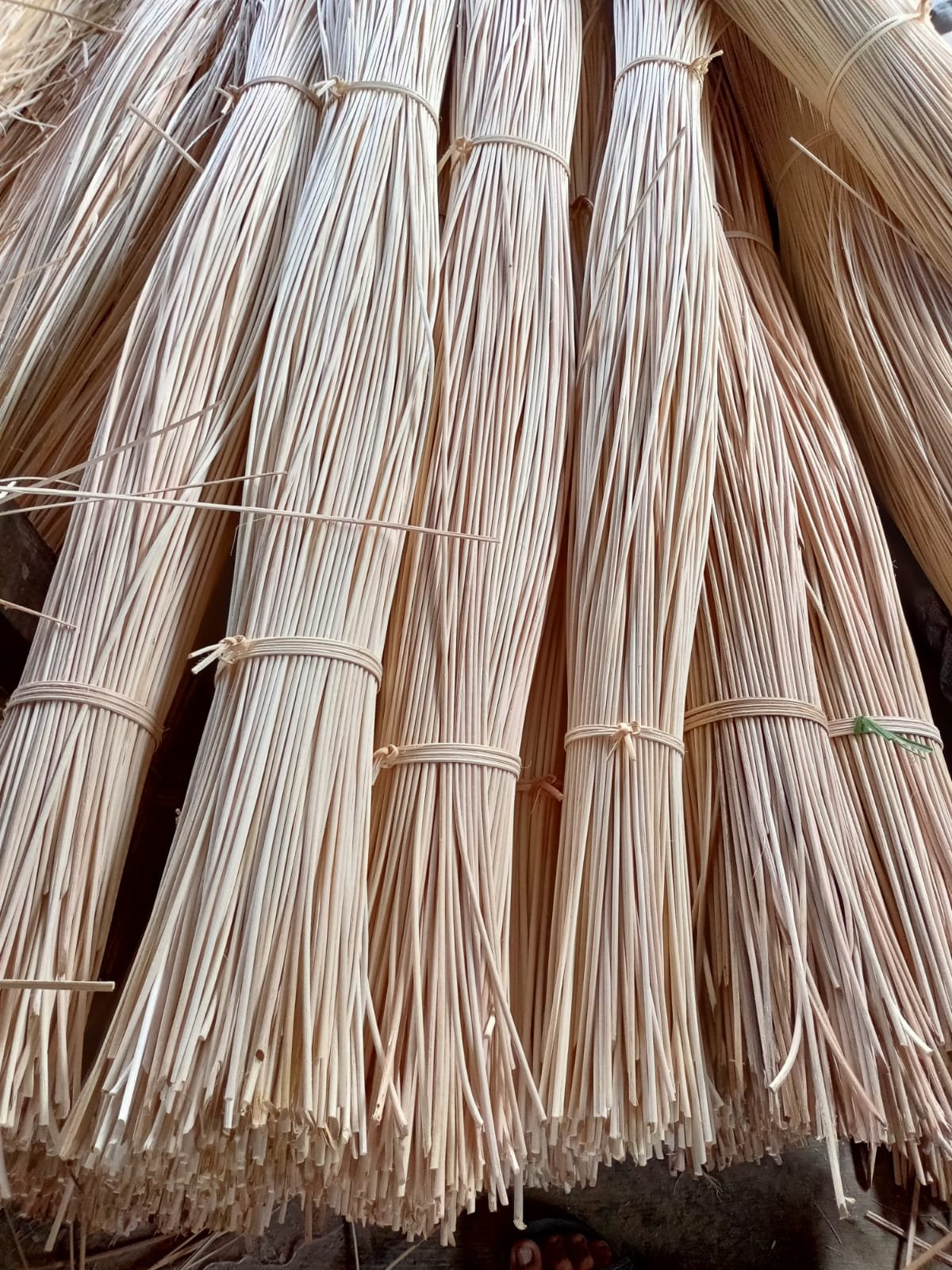
- Tohiti Rattan – Dense and flexible, great for light weaving and decorative accents.
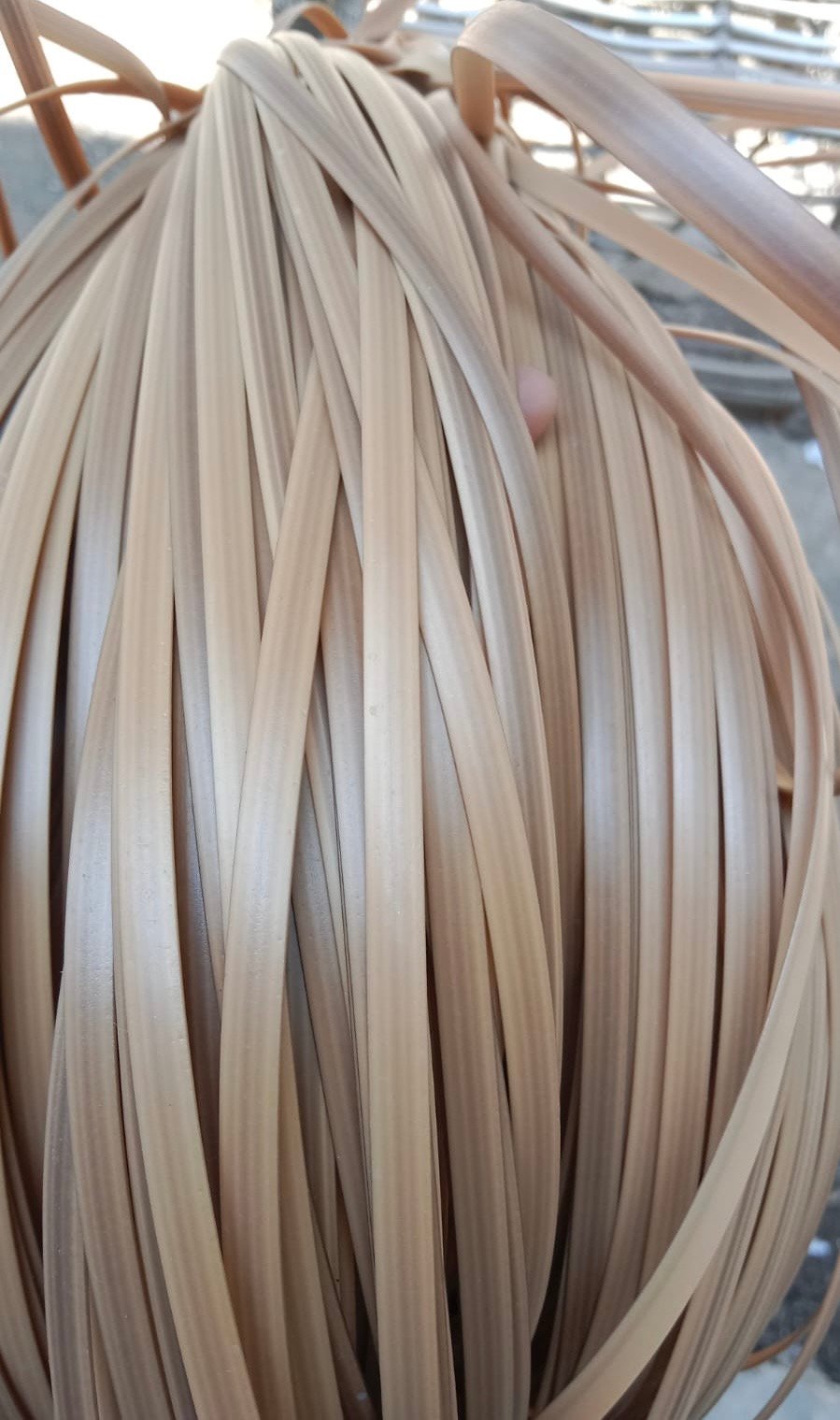
- Fitrit Rattan – Thin ribbon-style strips ideal for fine weaving, wall panels, and ceiling decor.
- Synthetic Rattan (PE/PVC)
Man-made plastics such as polyethylene mimic natural rattan with added durability:
- UV-resistant, weatherproof, and low maintenance
- Available in many colors and patterns
- Ideal for both indoor and outdoor furniture, partitions, and architectural elements
- Engineered or Laminated Rattan
Natural rattan that’s been processed—laminated or pressed—for enhanced stability:
- Smoother and more uniform surface
- Resistant to shrinkage and decay
- Used in wall panels, column cladding, and contemporary furniture
Applications in Architecture & Interior
- Furniture: chairs, tables, sofas, shelving
- Architectural elements: woven ceilings, dividers, facades
- Décor: hanging lamps, mirrors, wall art
- Commercial spaces: hotels, resorts, restaurants, airport lounges
Conclusion
Rattan, in its various forms, offers a lightweight, beautiful, and sustainable material choice for diverse design styles. Understanding each type helps architects and interior designers make informed choices based on both function and aesthetics.