Introduction
Within the lush rainforests of Borneo, the Dayak people have practiced a deeply artistic craft passed down through generations: Dayak rattan weaving. More than utilitarian, these woven creations embody harmony with nature, spirituality, and ethnic identity.
Understanding Dayak Rattan Weaving
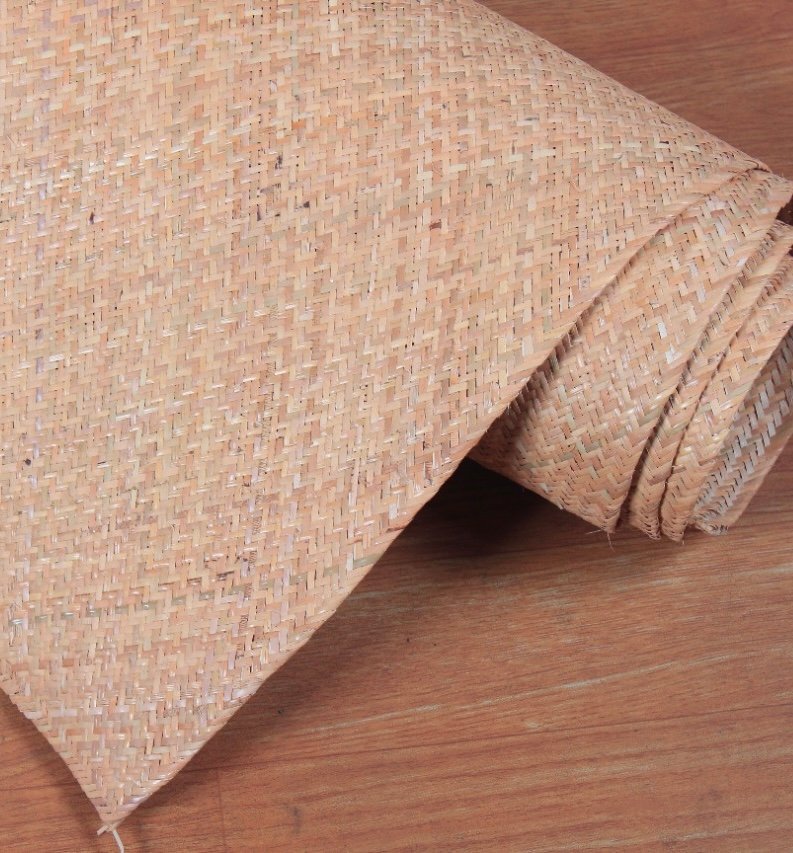
Derived from forest-gathered rattan vines, Dayak weaving results in functional items and beautiful handcrafted art.
Common Dayak woven creations include:
- Mats (lampit)
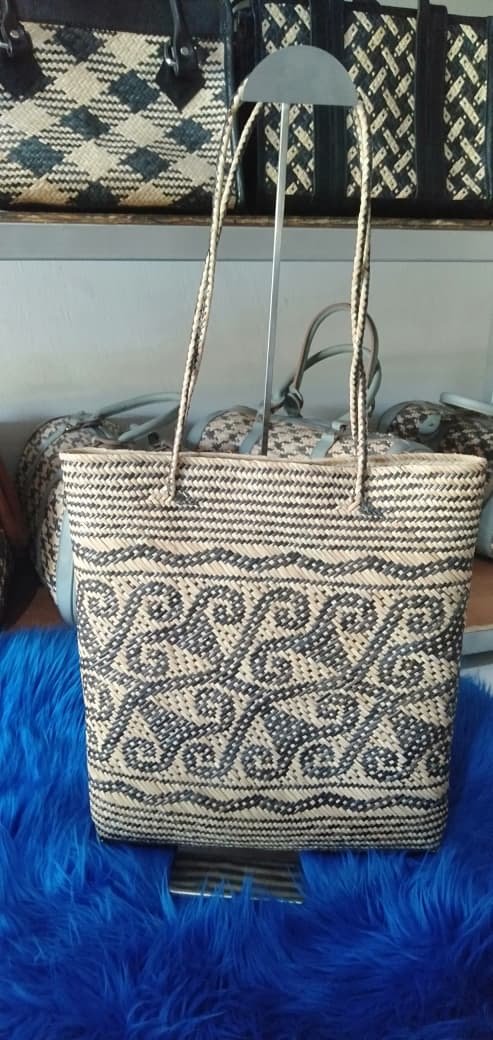
- Traditional bags (ta’ang or bingka)
- Hats (sangkup)
- Baskets (nyiru, barut, wakas)
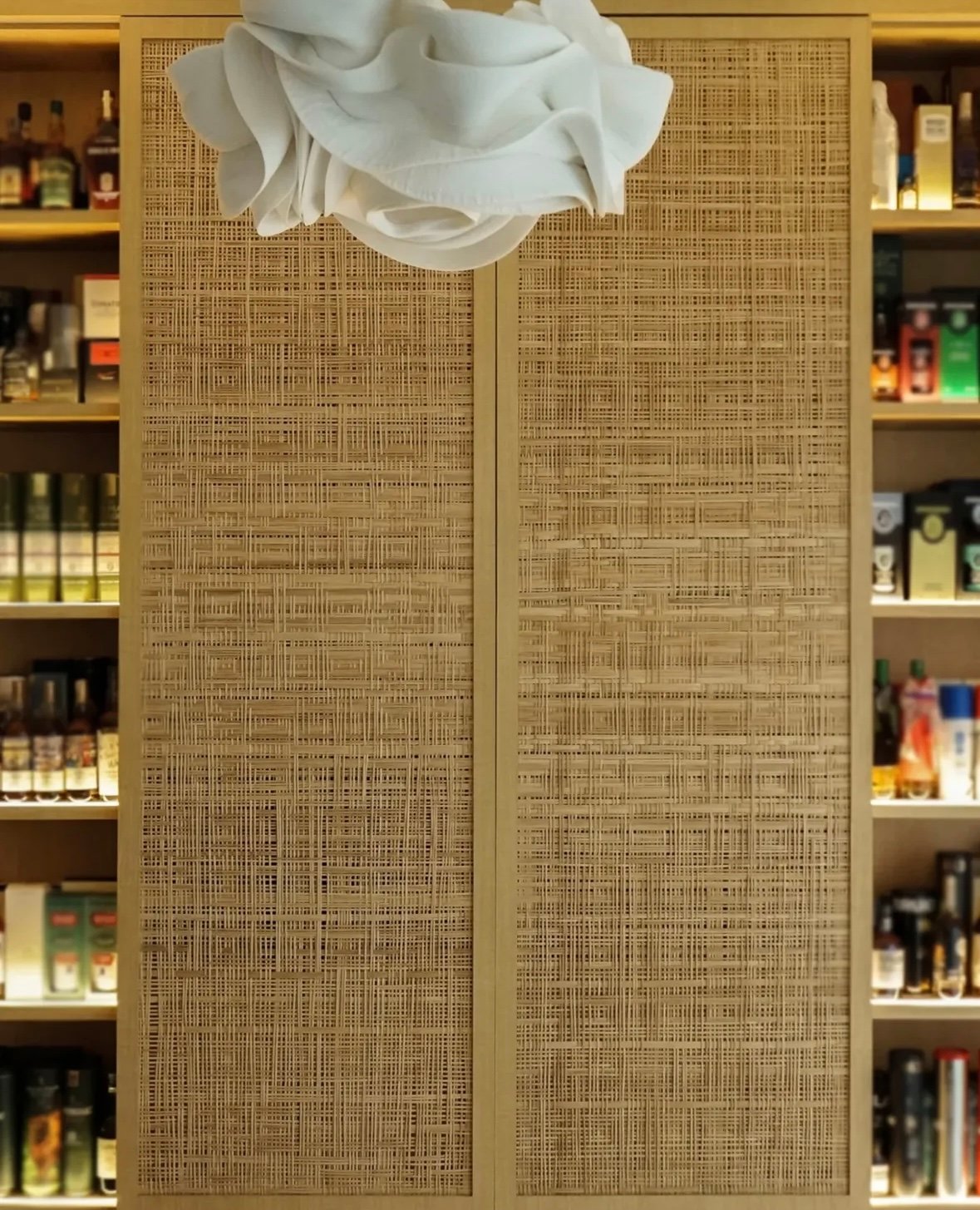
- Wall panels and interior décor
Distinctive Features
- Geometric & Symbolic Patterns – Zigzag and spiral designs often represent cosmology, harmony, or spiritual protection.
- Traditional Hand Techniques – Artisans weave freehand using simple tools, guided by inherited skill and intuition.
Natural Materials & Dyes – They use rotan, pandanus leaves, and natural dyes sourced from tree bark, roots, or soil.
Social and Cultural Roles
- Ceremonial use – Mats and baskets for weddings, funerals, harvest rituals
- Cultural identity – Motifs that identify clan or social status
- Intergenerational learning – Weaving as informal cultural education
Modern Interior Design Use
With rising demand for authentic ethnic decor, Dayak weaving is finding new life in modern interiors:
- Decorative wall panels in hotels/resorts
- Ethnic accents in restaurant décor
- Woven furniture and light fixtures
- Fashion accessories and culturally inspired designs
It enriches interiors aesthetically while preserving indigenous heritage.
Challenges and Future
- Material availability threatened by deforestation
- A declining artisan population due to youth migration
- Limited market access beyond Kalimantan
Yet, growing global interest in cultural craftsmanship and sustainability offers hope for revitalization.
Conclusion
Dayak rattan weaving merges functionality, artistry, and cultural depth. Integrating it into modern design honors a significant intangible heritage, preserving ancestral narratives and ecological wisdom.